How To Build a Garden Tool Box from Cedar

In this project I take some 1 x 2s of cedar and make a garden tool box that is just perfect to use in the back yard or take to the nursery.
Double-click to edit...
DIY Rustic Coffee Table w/ Reclaimed Wood
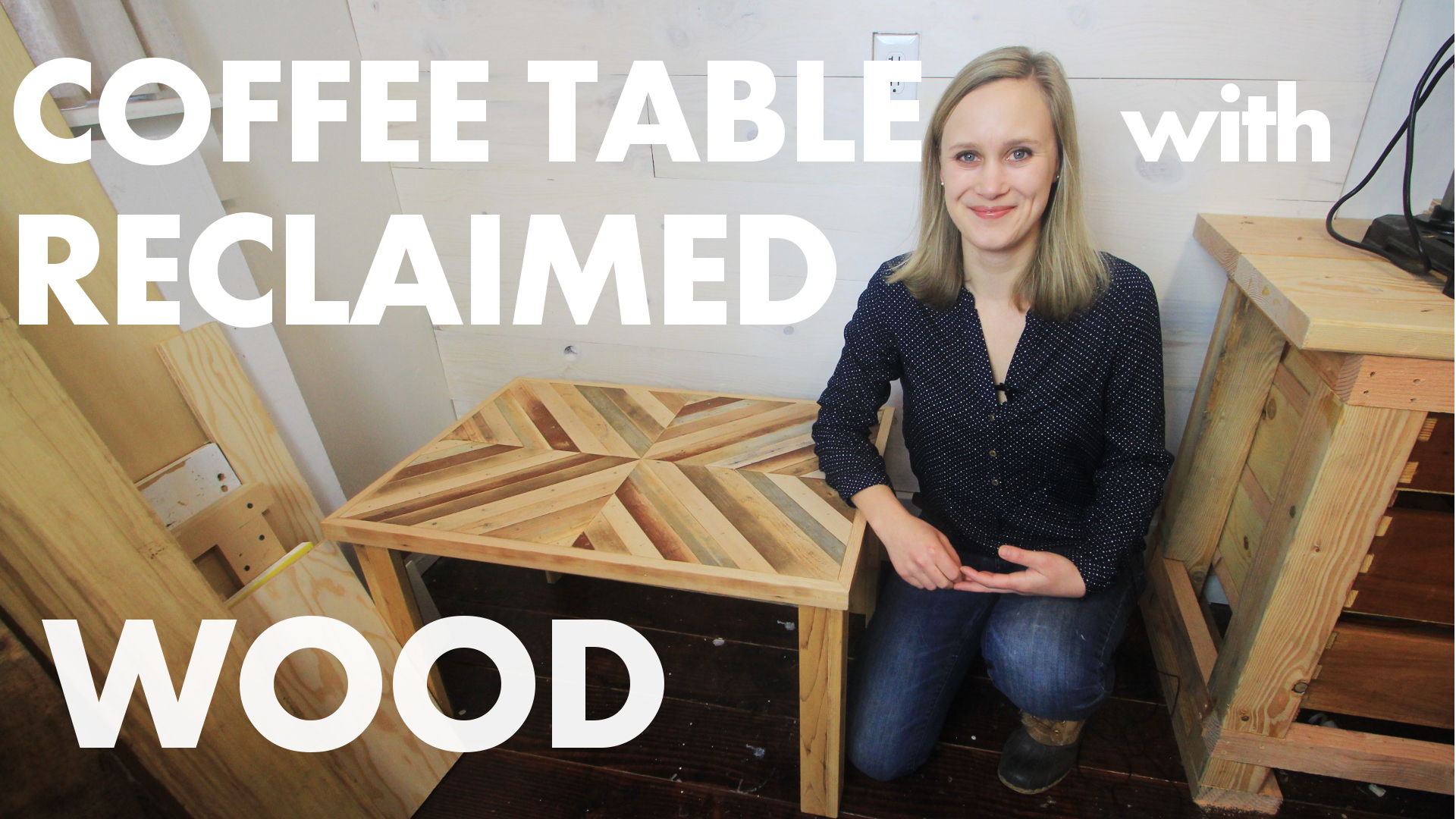
This week's project is building a rustic coffee table with reclaimed boards from the salvage yard.
Double-click to edit...
Building a Workbench w/ Half Laps and 2 x 12s
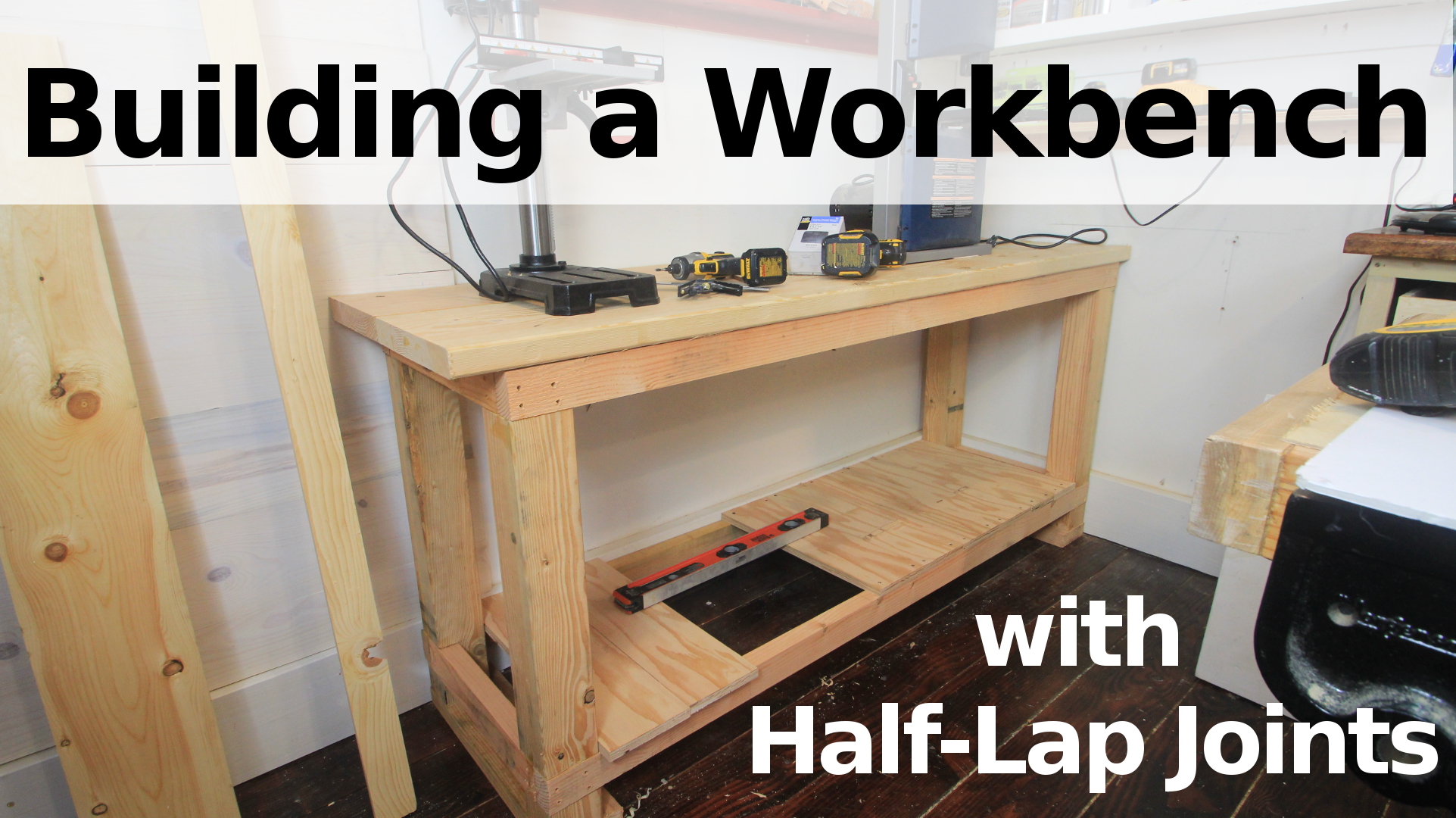
I needed a new workbench/counter for my shop that would hold both a drill press and a hobby band saw so I bought some 2 x 12s and 4 x 4s and ended up with a 6 foot long extremely solid bench. I plan to add a shelf with some doors and a few drawers that I will be putting on the DarbinNotes channel so you can subscribe to that if you want to see the shop updates.
DIY Dresser - Nightstand w/ White Base and Stained Fir Top

This week I build a nightstand/dresser with plywood and pocket screws. I also want to thank HomeRight for the great hvlp sprayer I used to paint the base cabinet.
Glue Test Destruction - How Different Glues Perform
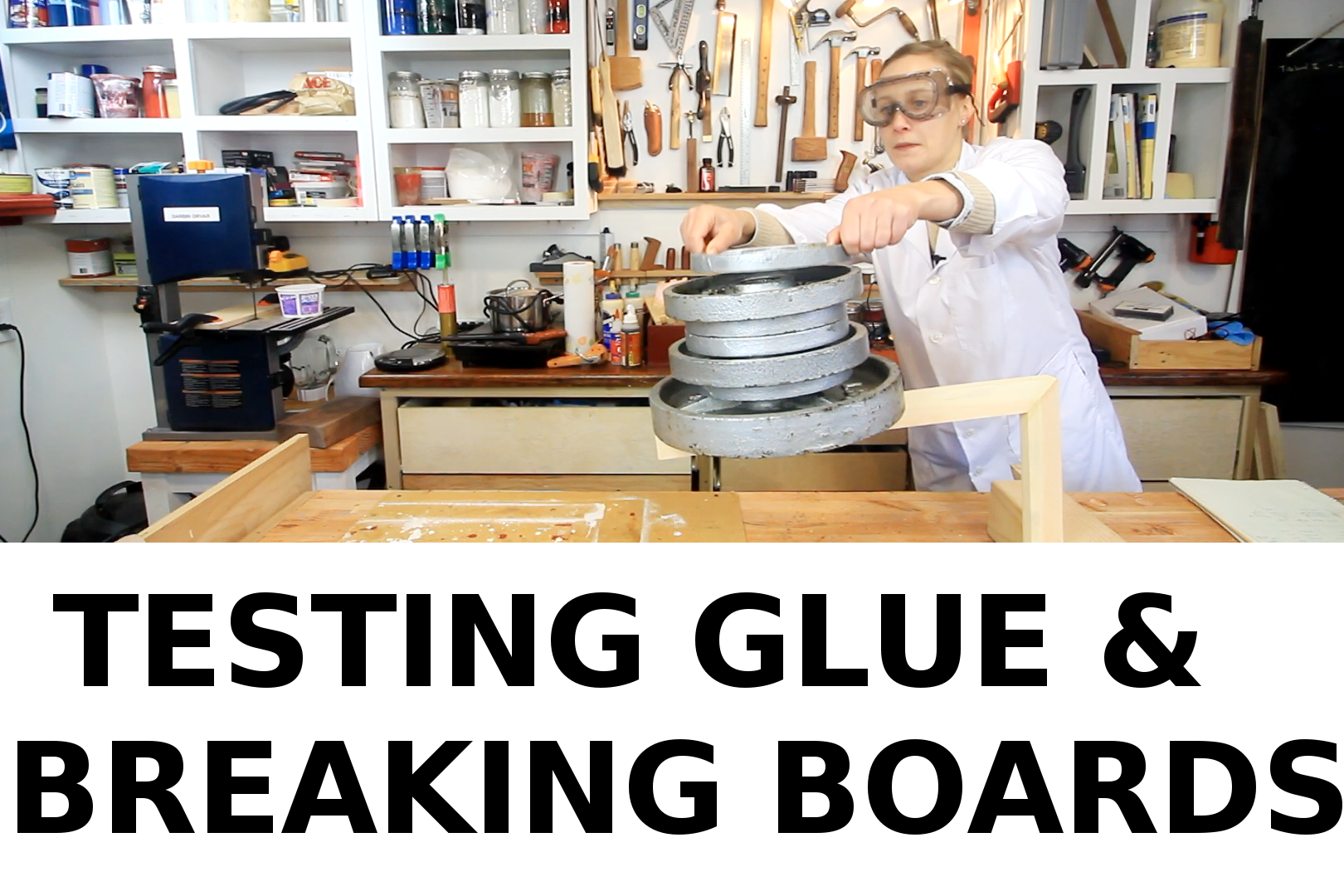
Ever wonder why you should choose some glues over others? Think glue sizing is important? Well in this test of 8 different glues and methods you can learn what to do and when to use what glue.
Here are the results:
Plywood - Broke @ less than
Titebond II - 298 lbs
Titebond III - 333 lbs
Epoxy - 333 lbs
Hot Glue - 266 lbs
Liquid Nails - 266 lbs
Hide Glue - 333 lbs
Gorilla Glue - 266 lbs
Miter Joints - Broke @ less than
Titebond II - 253 lbs
Titebond II Sized Joint -145 lbs
Titebond III - 145 lbs
Epoxy - did not break with 409 lbs of force
Hot Glue - 253 lbs
Liquid Nails - 108 lbs
Hide Glue - 72 lbs
Gorilla Glue - 217 lbs
To find the magnified force of the applied load use the following formula:
(mass * distance of the load placement)/fulcrum